April 6, 2026
How Does Mounjaro Work? The Science Behind Tirzepatide
The Science behind Trizepatide and How Mounjaro impacts patients in Dubai
Book a metabolic medicine consultation
Mounjaro has quickly become one of the most talked-about prescription medications for weight loss - and for good reason. In the SURMOUNT-5 trial, the first head-to-head study comparing tirzepatide with semaglutide, patients taking tirzepatide lost significantly more weight on average: 20.2% of body weight versus 13.7%. Nearly three times as many reached 30% or more total body weight loss.
Those results are impressive, but they naturally lead to the bigger question: why does Mounjaro work so well? What is it actually doing inside the body that makes it outperform other weight loss medications?
The answer is that tirzepatide works on two separate hormone pathways at the same time. That dual action is what makes it different - and what makes it so effective.
What Is Tirzepatide?
Tirzepatide is the active ingredient in Mounjaro. It’s a synthetic peptide developed by Eli Lilly and first approved in 2022. What makes it unique is that it is the first medication designed to activate both the GIP and GLP-1 receptors together. Because of this, it is sometimes described as a dual incretin agonist or a “twincretin.”
That may sound technical, but the concept is simple: tirzepatide mimics two hormones your body naturally releases after eating. These hormones help regulate blood sugar, appetite, fullness, and how your body handles energy.
The Two Hormones Mounjaro Mimics
GLP-1
GLP-1 is a hormone released by the gut after you eat. It helps the body respond to food in several important ways.
When the GLP-1 receptor is activated, it can:
- increase insulin release when blood sugar is elevated
- reduce glucagon, which lowers unnecessary glucose output from the liver
- slow down how quickly the stomach empties
- reduce appetite and increase satiety
- decrease the mental “noise” around food for many patients
This is the same pathway used by semaglutide, the active ingredient in Ozempic and Wegovy. It is a powerful mechanism on its own. But tirzepatide goes a step further.
GIP
GIP is another hormone released after meals. For years, it was not considered especially useful as a treatment target. Earlier research suggested it did not do much on its own in patients with type 2 diabetes. But that thinking changed when researchers found that combining GIP and GLP-1 activity produced a much stronger effect than either one alone.
GIP receptor activation appears to contribute to:
- stronger meal-related insulin response
- better insulin sensitivity
- beneficial effects on fat tissue and fat distribution
- increased adiponectin, which supports metabolic health
- improved tolerability, with less nausea in some patients compared with GLP-1-only drugs
This is one of the key reasons Mounjaro often feels different from Ozempic in practice. It is not just “another GLP-1.” It is working through a broader metabolic mechanism.
Why Tirzepatide Is Not Just “Ozempic Plus More”
One detail that often gets missed is that tirzepatide does not activate both receptors in a simple 50/50 way. Its pharmacology is more nuanced than that.
It has a stronger affinity for the GIP receptor than for the GLP-1 receptor, and it also appears to activate the GLP-1 receptor in a more selective way. In practical terms, that may help explain two things patients and clinicians often notice:
- better weight loss
- better tolerability, especially less nausea in some people compared with semaglutide
So the advantage is not just that tirzepatide hits two receptors instead of one. It is also how it activates them that matters.
What Mounjaro Does in the Body
Tirzepatide affects multiple systems at once, which is why its benefits go beyond appetite suppression alone.
In the Brain
Both GLP-1 and GIP receptors are involved in appetite and reward signalling. When tirzepatide activates these pathways, most patients feel less hungry, fuller sooner, and less preoccupied with food. Many describe it as a quieting of cravings rather than simply “using more willpower.”
In the Pancreas
Tirzepatide helps the pancreas release insulin more effectively when blood sugar rises after meals. That improves glucose control in people with diabetes and also supports better overall metabolic function. The SURPASS programme showed major HbA1c reductions, and in prediabetes, tirzepatide dramatically reduced progression to type 2 diabetes in trial data.
In the Liver
It reduces excess glucose production by the liver and improves insulin sensitivity. It also appears to reduce liver fat, which matters because fatty liver disease is extremely common in patients with obesity and insulin resistance.
In Fat Tissue
This is one of the reasons tirzepatide stands out. GIP receptors are present in adipose tissue, and tirzepatide seems to influence how fat is stored and mobilised. That may help explain why patients often see stronger reductions in visceral fat and better body composition outcomes than with GLP-1-only medications.
In the Cardiovascular System
The cardiovascular evidence for tirzepatide is still developing, but it is encouraging. Studies have shown improvements in predicted cardiovascular risk and meaningful benefit in heart failure with preserved ejection fraction. A larger cardiovascular outcomes programme is ongoing.
Tirzepatide vs Semaglutide
The most important comparison so far comes from the SURMOUNT-5 trial, which directly compared tirzepatide with semaglutide in adults with obesity but without diabetes.
The difference was clear:
- Average weight loss: 20.2% with tirzepatide vs 13.7% with semaglutide
- 20% or more body weight loss: 39.8% vs 18.4%
- 30% or more body weight loss: 19.7% vs 6.9%
- Waist circumference reduction: greater with tirzepatide at every timepoint
This is not a subtle difference. For someone weighing 100 kg, it can mean the difference between losing around 14 kg and losing around 20 kg.
How Mounjaro Is Taken
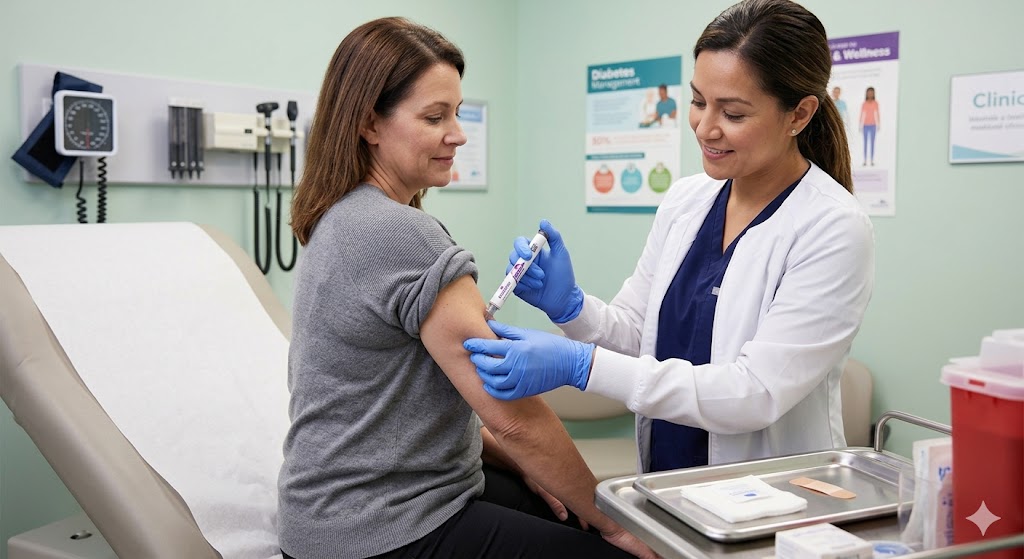
Mounjaro is a once-weekly injection given under the skin, usually in the abdomen, thigh, or upper arm.
The dose is increased gradually to help the body adjust:
2.5 mg → 5 mg → 7.5 mg → 10 mg → 12.5 mg → 15 mg
The 2.5 mg starting dose is mainly there to improve tolerability. Most of the real therapeutic effect for weight loss happens from 5 mg upward, with many patients settling somewhere between 10 mg and 15 mg depending on their response and side effects.
Why the Protocol Matters
Mounjaro is extremely effective, but the medication is only part of the story.
The same mechanism that helps people lose a large amount of weight can also create a risk: losing muscle along with fat. If calorie intake drops sharply and there is no resistance training or adequate protein intake, a meaningful percentage of total weight loss can come from lean mass.
That is why the best outcomes come from combining tirzepatide with a structured protocol.
At Chairon House, that means focusing on:
- resistance training from the beginning
- adequate daily protein intake
- body composition monitoring, not just scale weight
- recovery support during dose escalation
- nutritional supervision so patients do not unintentionally under-eat protein
The goal is not just to become lighter. It is to improve body composition, metabolic health, and long-term sustainability.
Side Effects
The most common side effects are gastrointestinal:
- nausea
- vomiting
- diarrhoea
- constipation
- abdominal discomfort
These symptoms usually show up most during dose increases and often settle after a week or two.
A few things make side effects easier to manage:
- increasing the dose slowly
- eating smaller, lower-fat meals
- staying well hydrated
- adjusting injection timing
- temporarily stepping back down a dose if needed
In our experience, one of the biggest mistakes is increasing the dose too quickly. There is no advantage to rushing if the patient is struggling to tolerate it.
Final Thoughts
Mounjaro works so well because it does more than just reduce appetite. Tirzepatide changes the body’s metabolic response to food through two hormone pathways at once, improving blood sugar control, reducing hunger, supporting fat loss, and in many cases producing results that are meaningfully better than older GLP-1 medications alone.
But the medication is only as good as the protocol around it. The best results come when it is paired with proper training, nutrition, monitoring, and medical supervision. That is what turns weight loss into true metabolic improvement - and helps patients keep the results they worked for.